Health, equity, and livable communities
Multimodal transportation solutions that advance public health, social equity, and quality of life


Improving public health
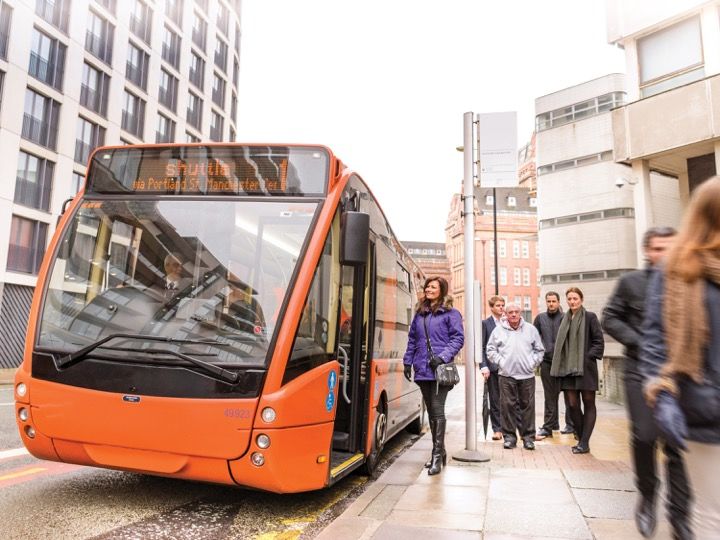
Transportation agencies are increasingly called on to promote public health through the planning and project development processes. We have leading expertise in the literature, data, and analysis tools needed to link health and transportation. Our experienced practitioners develop transportation options to improve health in any community.
Achieving equity
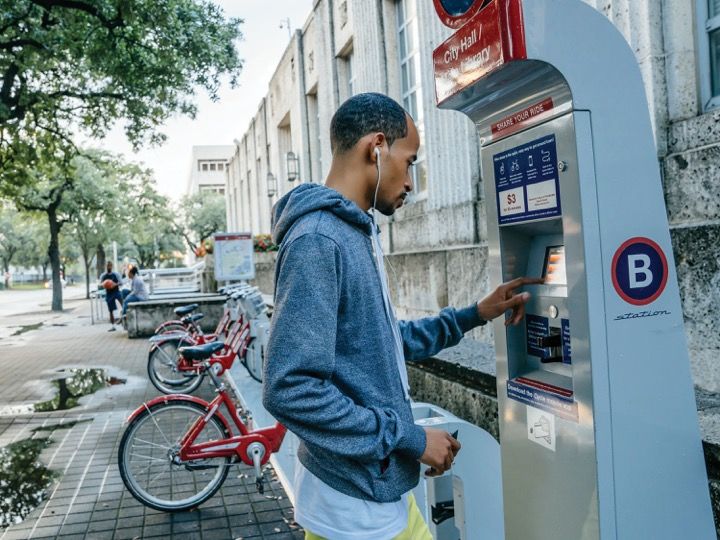
Public agencies must ensure that the benefits of transportation investments are distributed fairly, and that any adverse impacts do not disproportionately impact communities. Achieving equitable transportation plans and programs also requires that historically underserved communities can meaningfully participate in decision making. We provide the frameworks, tools, and strategies to achieve equitable outcomes from transportation decisions.

Enhancing livability
For more than two decades, we have led the industry in supporting livable communities through transportation. Our work is grounded in a comprehensive understanding of the relationships between land use and transportation. We address community impacts in all phases of transportation decision making, from planning to project development to operations. Robust community engagement is fundamental to our approach.
Transportation services

Planning and strategy
- Facilitation and goal setting
- Investment strategy development
- Livability strategy planning
- Performance measures development
- Scenario development and alternatives analysis
- Sustainability strategy planning

Analysis
- Data gathering, data visualization, and analytics
- Demand forecasting and trends analysis
- Demographic analysis
- Environmental justice and equity
- Health impact assessment
- Market assessments, profiles, and feasibility studies
- Benefit-cost and risk and uncertainty analysis

Implementation and outreach
- Marketing, outreach, and education
- Program implementation and management
- Stakeholder engagement
- Systems integration
- Technical assistance
- Tool development and maintenance
- Tracking, reporting, and evaluation
- Training development and delivery
Our work
Transportation insights
Explore more
Our experts
Beyond a transportation consulting firm, ICF is a group of passionate specialists. Resourceful and driven, they do what it takes to carry your project to completion smoothly through technical, policy, and operational challenges. It’s a lot to ask of a transportation consultant, but it’s a mission for our team.
Talk to an expert today
Related industries, services, and solutions